Showing posts with label Animal Spirits. Show all posts

Thursday, May 14, 2009

No animal spirits, no recovery

TO BE NOTED: From Inner Workings:

"
No Risk, No Volatility, No Economy May 14th, 2009
By
David Goldman

LIBOR fell today to 85 basis points, the lowest level since the crisis began. All other risk parameters look benign. My favorite is the failsafe risk measure, the cost of protection against sovereign defaults by the major industrial nations. Here are the last numbers from Markit:

G7 Industrialised Countries CDS
Ticker CLIP Name 5Y Today Daily Chg (bp) Weekly Chg (bp) 28 Day Chg (bp)
USGB 9A3AAA Utd Sts Amer 23 1 -14 -22
JAPAN 4B818G Japan 50 1 -17 -23
DBR 3AB549 Fed Rep Germany 25 1 -11 -17
UKIN 9A17DE Utd Kdom Gt Britn & Nthn Irlnd 61 0 -29 -28
FRTR 3I68EE French Rep 29 2 -9 -15
ITALY 4AB951 Rep Italy 75 0 -22 -37

The US sovereign had traded at 75 basis ponts above LIBOR; it is now down to +23 basis points. Notably, the UK sovereign has tightened nearly 30 basis points over the past week. That is the one to watch, given that a systemic banking crisis threatened to overflow the banks of the Thames in emulation of Iceland only a few months ago.

This is worth taking note of. There’s no sense of systemic risk in the midst of a worldwide reversal of sentiment and retreat of stock markets. That’s because the financial system is in the zombie embrace of the governments. VIX picked up a bit yesterday, but per my expectation remains on a downward trend.

No risk, but no economy. There is no sign of improvement in world trade, and China’s export numbers yesterday were terrible. There is no real sign of life from the American consumer, as yesterday’s retail numbers suggested in the United States.

The only way to get an economy moving out of a stall of this magnitude is animal spirits. Greed has to flicker in the cowardly hearts of investors and get them out of their holes. But that is not going to happen, for greed is a bad thing. Greedy speculators who want to squeeze what they are entitled to by law out of the exploited auto workers of the Midwest will be denounced by the White House, subject to public humiliation, and given private death threats. Greedy Wall Street bankers will have their bonuses reduced by law. And those greedy capitalists who earn too much will pay a great deal more in taxes.

No animal spirits, no recovery. Send out for sandwiches. This is going to be a long, long adminstration."

Monday, May 4, 2009

Incentives matter. That is central to economics. It also is important for political economy

TO BE NOTED: From EconLog:

"
More Thoughts on Masonomics
Tyler and Alex have new textbooks on micro and macro. Both begin with the same anecdote.

In 1787, the British government had hired sea captains to ship convicted felons to Australia...On one voyage, more than a third of the males died and the rest arrived beaten, starved, and sick...

Instead of paying the captains for each prisoner placed on board ship in Great Britain, the economist suggested paying for each prisoner that walked off the ship in Australia. In 1793, the new system was implemented and immediately the survival rate shot up to 99 percent.

That is economics on one foot--incentives matter.

What to do, then, about macroeconomics? In crude Keynesian economics, incentives do not matter. Consumption depends on income, investment depends on animal spirits, and prices have no impact. Much of the post-Keynesian synthesis has been devoted to bringing incentives back into the picture. The results have satisfied neither hard-core microeconomists nor hard-core Keynesians. Tabarrok and Cowen devote some space to Real Business Cycle theory, which is all about incentives. They also devote some space to the sticky-price version of New Keynesianism, in which incentives are combined with imperfect price flexibility.

I think a more promising approach is to look at the macroeconomic impact of signaling. Workers view wage rates as signals of their employer's long-term commitment to their welfare. Thus, a wage cut is a particularly negative signal, and it is difficult to cut wages in a downturn without causing major problems. See Lectures on Macroeconomics, number 4.

Also, as I have been arguing in recent posts, financial markets depend crucially on signaling. Perfect transparency in financial intermediation is impractical--if you can see through the intermediary you could have done without the intermediary and invested yourself. Thus, investorrs necessarily rely on signals when dealing with financial intermediaries. Under those circumstances, it is easy for confidence to fluctuate. We saw in recent years that there was extreme over-confidence in the financial engineering related to home mortgages. Now that confidence is gone. When confidence is high, financial intermediaries enlarge their balance sheets and economic activity expands. See lecture number 9.

So, here are some thoughts on Masonomics in general.

1. Incentives matter. That is central to economics. It also is important for political economy--Masonomics uses public choice, which says that government officials, rather than acting as benevolent omniscient stewards, respond to incentives.

2. Signaling matters. It matters in education, health care, finance, politics, marketing, and personal relationships. I would suggest that if there is to be a Masonomics perspective on macro, then signaling should be central.

3. Institutions matter. Formal and informal rules shape economic behavior, for better or worse. For example, differences across countries in the standard of living are determined largely by institutions.

4. Evolution matters. When others see a lack of planning or central direction as chaos, Masonomists see Hayek's spontaneous order. A system of decentralized trial-and-error decisions works better than many people realize. Central regulation works less well than many people expect."

Wednesday, April 15, 2009

fix a system that broke when our animal spirits got out of bounds.

TO BE NOTED: From Bloomberg:

"Depression Lurks Unless There’s More Stimulus: Robert Shiller

Commentary by Robert Shiller

April 15 (Bloomberg) -- In the Great Depression of the 1930s the U.S. government had a great deal of trouble maintaining its commitment to economic stimulus. “Pump- priming” was talked about and tried, but not consistently. The Depression could have been mostly prevented, but wasn’t. Ultimately, the reason for this policy failure was inadequate understanding of the relevant economic theory.

In the face of a similar Depression-era psychology today, we are in need of massive pump-priming again. We appear to be in a much better situation due to the stronger efforts to date. Still, there is a danger that, because of a combination of faulty economic theory and inadequate appreciation of human psychology, as well as deep public anger, we will not continue with such stimulus on a high enough level.

We desperately need to be persistent, keeping our government response adequate for the problem at hand on a sufficient scale and for sufficient time.

George Akerlof and I lay out how economic theory needs to be changed in “Animal Spirits: How Human Psychology Drives the Economy, and Why It Matters for Global Capitalism” (2009). It shows that the most basic questions can only be answered if we take into account how psychology affects fundamentals such as our sense of fairness or corruption in our economic transactions, which helps determine how trusting or wary we are at any given time.

Following John Maynard Keynes, we call such motivations animal spirits.

Confidence is Key

Our theory of animal spirits is centered on confidence, and the vicious downward cycle of loss of confidence leading to decline in economic activity and then to more loss of confidence. This cycle is fed by the proliferation of stories of failure that spread like a virus by word of mouth over months and years. Moreover, our theory emphasizes that the sense that our society is basically fair can become wounded, and if that happens will not heal for many years.

In our analysis of the current economic crisis, we conclude that the government should have two targets. One would be a joint fiscal-monetary policy target. The same kind of expansionary policies embodied in the government expenditure stimulus and tax cuts that are already being tried have to be done on a big enough scale and for a long enough time in the future.

Gauging Success

Following this target, aggregate demand should be sufficiently high that firms producing good products at a price the public would want to pay will be able to sell them. And if this target is met, skilled labor willing to work at a wage that makes it profitable to sell such products will be able to get a job.

The government should also have a credit target. Once again, we are calling for more of the same kinds of existing policies, but there should be an explicit measure of their success, and until that is reached, the scale and time frame of such policies need to be extended.

The Federal Reserve has to be the lender of last resort and to provide credit in circumstances like we have today. Businesses and consumers, who in normal times would be good credit risks with legitimate needs, should find credit available at reasonable terms. Achieving this requires new approaches, like those announced by the Bernanke Fed and the Obama administration, but on a continuing and even larger scale.

Outrage Creates Dangers

But we have lived for years in a system that tolerated the high-flying inequalities of the current financial system to play itself out, without protest. Where was the outcry then? Why should it not be much more generally targeted? We had two large tax cuts at the federal level that gave highly disproportionate tax advantages to those at the very top. It even gave special provision for extremely low tax rates, much lower than you or I pay on our regular wage income, to managers of hedge funds.

In this crisis, acceptance of these measures is being replaced with outrage. It is increasing the blood pressure of the public, and that can’t continue without damage to our system. Compensation practices in the U.S. need to be made fairer. Vast earnings shouldn’t go virtually untaxed, while the middle class is paying a sizable fraction of each extra dollar in taxes. Only then will the government have the mandate to restore our banking and securities institutions to their proper strong role in our economy.

Shutting Hoovervilles

It is now time to stimulate demand. It is also time to repair the credit system. Those are the two targets that must be hit to get us out of the current economic slump, and to restore confidence. It will be costly to meet both of these targets, and it will require new legislation to give enhanced regulatory powers to deal with a greatly changed financial system, now in a systemic slump.

It is time to face up to what needs to be done. The sticker shock involved will be large, but the costs in terms of lost output of not meeting either the credit target or the aggregate demand target will be yet larger.

It would be a shame if we are so overwhelmed by anger at the unfairness of it all that we do not take the positive measures needed to restore us to full employment. That would not just be unfair to the U.S. taxpayer. That would be unfair to those who are living in Hoovervilles in Sacramento and Fresno, California, and elsewhere; it would be unfair to those who are being evicted from their homes, and can’t find new ones because they can’t find jobs. That would be unfair to those who have to drop out of school because they, or their parents, can’t find jobs.

It is now time to keep our eye on the ball and set clear targets to fix a system that broke when our animal spirits got out of bounds.

(Robert Shiller is the Arthur M. Okun Professor of Economics and Professor of Finance at Yale University, and Chief Economist at MacroMarkets LLC. The opinions expressed are his own.)

To contact the writer of this column: Robert.shiller@yale.edu"

Friday, April 3, 2009

our best guide to recovery from our present distress, not least because of its common-sense psychology

TO BE NOTED: From The New Republic:

"Shorting Reason

Richard A. Posner, The New Republic Published: Wednesday, April 15, 2009


Animal Spirits: How Human Psychology Drives the Economy, and Why It Matters for Global Capitalism

By George A. Akerlof and Robert J. Shiller

(Princeton University Press, 264 pp., $24.95)

The economics profession has been greatly embarrassed by the economic crisis. The crisis began last September, with the crash of the banking industry (broadly defined, as it should be in this deregulatory era, to include investment banks and other financial intermediaries besides commercial banks), and of the stock market and other financial markets. It has since grown into the first depression since the 1930s, if one may judge from its global sweep, the pervasive anxiety that it has engendered among government officials as well as the business community and the public at large, and the trillions of dollars that nations have desperately committed to fighting it. The economists had assured us that there would never be another depression in the United States, because economics had discovered how to prevent depressions: if economic activity dropped, the Federal Reserve had only to push down interest rates, for this would induce banks to lend and consumers and businessmen to borrow, and the borrowed money would be used to finance consumption and production, restoring output to its level before the crash. Academic and government economists specializing in the business cycle were as surprised by the September collapse and the ensuing downward spiral of the economy as anyone, and were unprepared with plans for arresting it. Six months later they cannot agree on what should be done to recover from it. Not knowing what will work, the government is trying everything.

The idea that monetary policy--raising interest rates (and therefore reducing the amount of money in circulation, because interest is the price of putting money into circulation rather than hoarding it) to check inflation, and lowering interest rates to check economic downturns--holds the key to moderating the business cycle, and therefore to preventing depressions as well as inflations, has been falsified. The Federal Reserve has pushed interest rates way down, but the amount of lending has been tepid and economic activity has continued to fall--hence the bailouts of banks and other financial institutions and the $787 billion stimulus package recently enacted by Congress. The stimulus, a program of deficit spending, seeks to replace the loss of private demand, and the resulting decline in economic activity, brought about by the economic crisis. It seeks to do this by public works, such as the construction and repair of highways and other transportation infrastructure, designed to increase employment, and by tax cuts and welfare payments, which are intended to increase incomes directly and by doing so to stimulate spending.

In 1936, John Maynard Keynes argued in his great book The General Theory of Employment, Interest and Money that government could use deficit spending to replace private demand with public demand, and by doing so put a nation's unemployed to work. Over time, this position has encountered increasing opposition. Many influential economists came to oppose deficit spending on public projects, which injects the government deep into the economy and creates a risk of inflation and high taxes in the future. Increasingly economists favored the monetarist approach, championed most famously by Milton Friedman, which teaches that the proper management of the money supply is all that is needed to avert depressions, and that it can do so painlessly.

But now that monetarism has received a sharp blow to its solar plexus, much of the economics profession has thrown its support to the idea of a fiscal stimulus (while rightly critical of many of the details of the stimulus package enacted by Congress). Which is to say, it has thrown its support to Keynesianism. In Animal Spirits, two distinguished liberal economists, reflecting on the current depression, marry Keynes to "behavioral economics" and offer the resulting union as a replacement for conventional monetarist economics, and for rational-choice theory more broadly.

George A. Akerlof's and Robert Shiller's book is short, and aimed at the general reader (though the end notes and bibliography are strictly for economists), but it is intended to be taken seriously as a work of economic theory. Akerlof is an expert on frictions in consumer and employment markets. Shiller is an expert on speculative excesses, and he was one of the few economists to warn about the danger of the housing bubble that brought the economy low.

Their thesis is that the key to understanding depressions, and the ups and downs of the economy more generally, is psychology, which they call "animal spirits." They relate this emphasis on psychology to the new field of economics called "behavioral economics," which rejects the "rational man" model of conventional economic theory in favor of what its proponents consider a more realistic picture of human motivations and capacities. Akerlof and Shiller believe that if people were rational, there would be no depressions; but there are depressions, and so the rational model must be inadequate.

They want a pedigree, or a sacred text, to lend authority to their thesis, and they want to champion the liberal Keynes over the conservative Friedman. Hence their appropriation of the term "animal spirits" from a famous passage in The General Theory: "Most, probably, of our decisions to do something positive, the full consequences of which will be drawn out over many days to come, can only be taken as a result of animal spirits--of a spontaneous urge to action rather than inaction, and not as the outcome of a weighted average of quantitative benefits multiplied by quantitative probabilities.... Thus if the animal spirits are dimmed and the spontaneous optimism fades, enterprise will fade and die.... It is our innate urge to activity which makes the wheels go round, our rational selves choosing between the alternatives as best we are able, calculating where we can, but often falling back for our motive on whim or sentiment or chance."

Akerlof and Shiller think that by "animal spirits" Keynes meant "noneconomic motives and irrational behaviors," and they imply that he wanted government to "countervail the excesses that occur because of our animal spirits." This is a misreading. The passage in The General Theory is not about excesses, and it does not argue that "animal spirits" should be damped down. It is about the danger of paralysis in the face of uncertainty ("if the animal spirits are dimmed and the spontaneous optimism fades, enterprise will fade and die"). As Keynes's biographer Robert Skidelsky explains, The General Theory argues that "actual output is normally below 'potential' output; in depressions disastrously so. It is only in moments of 'excitement' that the economic machine works at full blast. This helps explain why economic progress has been so slow and fitful."

Keynes picked up from the American economist Frank Knight the distinction between calculable risk, the sort of thing on which insurance premiums are based, and uncertainty in the sense of a risk that cannot be quantified. (Keynes had published a treatise on probability theory in 1921.) The fact that businessmen would venture to invest at all in the face of uncertainty was a puzzle, and the explanation, Keynes argued, lay in emotion. You would have to be high-spirited--say, like Columbus--to embark on a costly, uncertain venture. In other words: nothing ventured, nothing gained.

What happens in a depression, and makes it a psychological event as well as an economic and political one, is that the economic environment becomes so uncertain that people freeze. Not only are businessmen afraid to invest, but consumers are afraid to spend; instead they hoard cash. Right now our banks, dubiously solvent and harassed by an angry Congress, are hoarding. Consumers are hoarding, too; the savings rate has shot up, and the increased savings are taking safe and rather inert forms--CDs, money market accounts, government securities, even currency and gold--that do not stimulate investment. Until animal spirits revive, the economy will not recover.

Keynes thought that if government put the unemployed to work, their animal spirits would rise, along with those of the contractors who hired the unemployed to perform the government's contracts. Even more important, people who were still employed but afraid they would soon be unemployed would regain confidence if unemployment fell and the threat to their own jobs thus receded. Feeling more confident about their future, they would begin to spend, and business would begin to invest. The vicious cycle of falling consumption, production, and employment would turn into a virtuous cycle of rising consumption, production, and employment. Keynes worried about stock market speculation, because he thought that speculators based their decisions on guesses about the psychology of other investors rather than on which companies had the best prospects and therefore should attract new investment. But he did not relate speculation to an excess of animal spirits.

Akerlof and Shiller believe that the key to understanding depressions lies in motives or behaviors that they regard as non-rational or irrational. They list "confidence," "fairness," "money illusion," the temptation to "corruption, " and susceptibility to "stories" and treat all of these as manifestations of "animal spirits." Only "confidence" comes within shouting distance of Keynes's understanding of animal spirits. But Akerlof and Shiller give it a negative charge that is alien to Keynes.

People buy common stock when stock prices are rising. They (notoriously) bought houses during the early 2000s when house prices were rising. Since almost no one can predict the ups and downs of the stock market or the housing market, these purchases must have been motivated, Akerlof and Shiller argue, by something other than a rational investment strategy. But this is not at all obvious, or implied by Keynes's usage. Stocks have generally been a good investment, at least when held for a considerable period. And since no one is able to time market turns, no one knows when the market is overpriced and therefore when one should sell rather than buy. Indeed, the idea of selling at the "top" of the market is incoherent, because if it were known that stock prices had peaked, no one would buy. Buying stock, or buying a house, is at any time a guess about the future, a venture into the unknown. Yet that does not imply irrationality.

In the early 2000s, interest rates were very low because of a mistaken decision by Alan Greenspan (but who knew?); and since a house is a product purchased with debt (a mortgage), houses became a more than usually attractive investment. The housing stock expands only slowly because it is so durable, so the increase in demand for houses outran the increase in supply (new housing starts), causing prices to rise. Since very few economists and no government officials warned of a bubble, it was not irrational for people to think that houses were a good investment, even though house prices had risen steeply since the 1990s.

They were wrong. But mistakes and ignorance are not symptoms of irrationality. They usually are the result of limited information. Ben Bernanke, in October 2005, just before the housing bubble began to leak air, denied that the rise in housing prices was a bubble. Was he irrational? That the errors of experts can lead to disaster is hardly a novelty, but it does not follow that only an irrational person would heed the advice of experts.

Akerlof and Shiller rightly associate booms with "new era" thinking, but wrongly deem such thinking irrational. Stocks soared in the late 1920s because it was a period of rapid economic growth based on rapidly rising labor productivity and new products such as the massproduced automobile, new methods of retailing such as the chain store, and new methods of finance such as installment buying and the purchase of common stock on margin. There was no reason to think that existing stock prices reflected an exaggerated expectation of increased wealth in so dynamic an era. The late 1990s were likewise heralded as a new era, this time on the basis of expectations that the computer would transform the economy. The early 2000s seemed to most people still another new era, this one based on the seemingly magical conjunction of low interest rates with low inflation, rising asset values, and new financial instruments that were believed to enable greater lending and borrowing with less risk. In all three cases the new era turned out, at least in the short run, to be a false dawn, and an asset-price crash ensued. Given the uncertainty of the economic environment, stressed by Keynes, such disappointments are not surprising, and they do not show that investors are irrational.

Nor are booms the result, as Akerlof and Shiller curiously argue, of "corruption scandals." They think that economic downturns are preceded by increases in corruption, and they give examples. The oddest is the widespread violation of the prohibition laws in the 1920s, but they also note the financial scandals exposed by investigations of Wall Street that Congress conducted in the ensuing depression. They think that mortgage fraud was a major cause of the present crisis. How all this relates to animal spirits is unclear, but in any event they are wrong about the causality. Warren Buffett had it right: until the tide goes out, you cannot know who is swimming naked. A crash exposes frauds; it is rarely caused by them. Bernard Madoff's Ponzi scheme fell apart when, as a consequence of the stock market crash last fall, his investors--their wealth diminished and their animal spirits crushed--tried to withdraw money from his phony hedge fund. The scheme itself was not a cause of the crash.

There was more than the usual amount of mortgage fraud during the housing bubble, but it was not the cause of many millions of people overpaying for houses, as we know with the benefit of hindsight that they did. Cheap credit and soaring house values were the immediate causes of the bubble and of all that followed when it burst. The underlying causes were the deregulation of financial services; lax enforcement of the remaining regulations; unsound decisions on interest rates by the Federal Reserve; huge budget deficits; the globalization of the finance industry; the financial rewards of risky lending, and competitive pressures to engage in it, in the absence of effective regulation; the overconfidence of economists inside and outside government; and the government's erratic, confidence-destroying improvisational responses to the banking collapse.

Some of these mistakes of commission and omission had emotional components. The overconfidence of economists might even be thought a manifestation of animal spirits. But the career and reward structures, and the ideological preconceptions, of macroeconomists are likelier explanations than emotion for the economics profession's failure to foresee or respond effectively to the crisis.

That animal spirits droop in a bust is no more anomalous than that they soar in a boom. To freeze and to hoard is a perfectly sensible reaction to an increase in economic uncertainty, whether one is a businessman or a consumer. It is individually rational behavior, though bad for the economy. Rich women think they are helping the economy by cutting down on luxury purchases; they are merely increasing unemployment in retailing.

While for Keynes "confidence" (or "animal spirits") was the key to getting out of a depression, for Akerlof and Shiller it is something to be chilled down in order to prevent booms that might turn into busts. This inversion of Keynes may explain the strangest statement in the book: that "both presidents are heroes of ours," the two presidents being Herbert Hoover and Franklin Roosevelt. Both are "heroes" because both ran budget deficits and created new agencies to regulate the economy.

But there is a significant historical difference that Akerlof and Shiller overlook. In the three years of depression during which Hoover was president, confidence drained out of the economy. The depression touched bottom at the end of his term, and turned around within days of Roosevelt's inauguration. As Gauti Eggerstsson recently explained in the American Economic Review, Hoover's adherence to the gold standard, and his determination to keep government small (so no Keynesian stimulus) and raise taxes to try to balance the budget, created a rational expectation of continued economic contraction, dampening the economy's animal spirits. Roosevelt's decision, made promptly upon his taking office, to go off the gold standard (in effect), push up prices (in order to end deflation), and engage in massive (for the time) deficit spending, created an expectation of economic recovery. This expectation had positive effects on the economy even before the new policies could take effect. Roosevelt restored confidence, which Hoover had killed, and renewed confidence restarted the economic engine.

A weakness of Akerlof's and Shiller's book is a failure to define their target: the rational model of human behavior. If rationality means omniscience, then it is indeed an unsound premise for economic reasoning. If it means reasoning unaffected by emotion, then it misunderstands emotion. The word "emotional" has overtones of irrationality, but actually emotion is at once a form of telescoped thinking (it is not irrational to step around an open manhole "instinctively" without first analyzing the costs and benefits of falling into it) and a prompt to action that often, as in the case of investment under uncertainty, cannot be based on complete or even good information and is therefore unavoidably a shot in the dark. We could not survive if we were afraid to act in the face of uncertainty.

Irrationality is not the courage to act. Irrationality is to be found in the cognitive quirks that we owe to the human brain having evolved in a very different environment from our present one. We are poor at evaluating low-probability events because in the ancestral environment (as evolutionary biologists call it) there was little that could be done about such events. The sense of the irrational that merchants exploit--that a price of $5.99 is meaningfully less than $6.00--is a trace of the limited value in that environment of being able to evaluate fine differences. These quirks do not explain depressions.

As one reads this book, one has the sense that deep down Akerlof and Shiller believe that being rational is the same as being right. That is a mistake. It prevents them from entertaining the possibility that what has now plunged the world into depression is a cascade of mistakes by rational businessmen, government officials, academic economists, consumers, and homebuyers, operating in an unexpectedly fragile economic environment, and that what is retarding recovery is not the "unreasoning fear" of which Franklin Roosevelt famously spoke but the rational fears--the reasoning fear, to use Roosevelt's idiom--of businesspeople, consumers, and officials who confront economic uncertainties for which no one had prepared them.

Akerlof and Shiller invoke "fairness" and "money illusion" to explain the puzzling behavior of employment and wages in a depression. It may seem obvious that employment would fall in a depression. But it is not. If demand for a firm's products falls, the firm will have less revenue, and therefore it will have to cut its costs, including its labor costs, to survive. So why not just cut its workers' wages and explain to them why? If they stalk off in anger, the employer should have no difficulty in hiring replacements at the lower wage, for in the unsettled conditions of a depression it will be attractive to other workers. Or suppose, as often happens in a depression (and may still happen in our current one), the general price level falls. In a deflation, the same amount of money buys more, because prices are lower. So one might expect an employer to say to his employees, "Since the purchasing power of the dollar has risen, I am going to cut your wage, as otherwise, by receiving the same amount of money when its purchasing power has increased, you would be receiving a wage increase, which makes no sense in a depression." (Among the paradoxes of depression is that we want wages to fall, so that producers will have lower costs and will therefore produce more and so hire more workers. This is not understood by the politicians who are pushing for legal changes that will encourage unionization. They should wait until we are out of the woods.)

Wages do fall in a deflation, but not as far as prices; and employers do generally prefer to economize on labor costs by laying off workers rather than by reducing their wages. The resistance of workers to having their wages cut in a deflation, a resistance that in the Great Depression of the 1930s produced a sharp rise in real incomes for many workers while others were on breadlines, is ascribed by Akerlof and Shiller to workers' sense of "fairness"--of their sense of entitlement to their existing wage--and to "money illusion," by which they mean the failure to distinguish between the amount of money one receives as a wage (the nominal wage) and the purchasing power of the wage (the real wage). They also argue that employers deliberately "overpay" their workers in order to boost morale and loyalty. But this does not explain why nominal wages are not cut during a depression in order to maintain (not cut) real wages.

There is a simpler explanation for unemployment in depressions, one that dispenses with irrationality. A worker who, rather than being paid a flat wage, is paid a percentage of his firm's income would be unlikely to complain when his wage dropped in a depression; he would know that his wage was variable, and he would plan his life accordingly. But if paid a fixed wage, he is likely to count on it as a steady source of income. Since depressions are rare and have unpredictable consequences, he will not have been able to protect himself from the consequences of a depression-induced cut in his wage. He is going to be upset to find that he is working as hard or harder but being paid less, and he will not be reassured by being given a lecture on deflation and purchasing power, because he will not understand or believe it. And whereas wage cuts make the entire work force unhappy, layoffs make just the laid-off workers unhappy, and since they are no longer on the premises they do not demoralize the remaining work force by their unhappy presence. The employer, for this and other reasons--such as wanting to economize on benefits and overhead and induce the remaining workers to work harder lest they be laid off too--is likely to prefer laying off workers to cutting wages. (Unemployment insurance is a factor as well.)

This explanation for unemployment in depressions is consistent with Akerlof and Shiller in giving weight to cognitive and emotional factors (workers do not understand deflation, unhappy workers can demoralize the workplace), but it avoids jargon and condescension and the fascination with irrationality. Yet it may be too simple to please an academic economist. One reason why Keynes fell into disfavor among academic economists, and why Akerlof and Shiller want to dress him in the garb of a behavioral economist, is that although he was a brilliant economist and remains a hero of liberal economists, he was not a formal or systematic thinker. He belonged to the era before economists insisted on mathematizing the discipline. The General Theory is beautifully written--and full of loose ends and puzzling omissions. Keynes was a self-taught economist and a part-time academic. He had a rich and varied non-academic life as a government official and adviser, journalist, speculator, academic administrator, and member of the Cambridge Apostles and the Bloomsbury group. Having observed how people, including himself, behaved in the real world, he was unself-conscious about incorporating into economic theory such unsystematized and untheorized concepts as "animal spirits" (and its opposite, "liquidity preference"--the desire to hoard cash rather than spend or invest it).

The complexity of a modern economy has defeated efforts to create mathematical models that would enable depressions to be predicted and would provide guidance on how to prevent them or, failing that, to recover from them. The insights of behavioral economics have not done the trick, either. Shiller is to be commended for spotting bubbles, but few if any other behavioral economists noticed them; and he and Akerlof offer no concrete proposals for how we might recover from the current depression and prevent a future one. They want credit loosened, but so does everyone else--so did Keynes, who criticized our government for tightening credit in the early stages of the Great Depression.

We will discover soon enough whether the measures taken by the Obama administration are reviving the animal spirits of producers and consumers. The intentions are good. But the lack of focus, the partisan squabbling, the dizzying policy oscillations, the delays in execution, and the harassment of bankers are bad. By increasing the uncertainty of the business environment, these things are dampening the animal spirits--the courage to reason and act in the face of an uncertain future. Seventy-three years after the publication of The General Theory, it may still be our best guide to recovery from our present distress, not least because of its common-sense psychology.

Richard A. Posner "

Saturday, March 28, 2009

the portrayal by contemporary models of the “market economy as a mechanical system.”

TO BE NOTED: From the Economist's View:

"Mathematical Formalism in Economics

Roman Frydman responds to the response to the Anatole Kaletsky article, Goodbye, homo economicus:

Your posting of Kaletsky’s article has led to a much overdue discussion of the usefulness of mathematical formalism for understanding market outcomes. This is particularly important as the recent discussions of failures of economic models have focused on specific assumptions, such as incompleteness of markets, contracts or nonlinearities (Willem Buiter), or neo-Keynesian versus new classical approaches (Paul Krugman).

The attached note, which draws heavily on my recent book and subsequent papers with Michael Goldberg, argues that the question of whether and what type of mathematical formalism can help us understand market outcomes in modern capitalism is more subtle than Kaletsky’s critics might have realized.

Here's the note:

What type of mathematical formalism can help us understand market outcomes in modern capitalism?

Mark Thoma reports that the article by Anatole Kaletsky Goodbye, homo economicus, calling for an intellectual revolution in economics, “did not get the best reception here and elsewhere, and there were also protests that arrived by email.”

What really irked Kaletsky’s antagonists was his attack on the use of mathematical formalism in economics. But what has gone completely unnoticed in the subsequent discussion is that Kaletsky’s attack on mathematical formalism focused not on the use of mathematics in economics as such, but on the portrayal by contemporary models of the “market economy as a mechanical system.”

This characterization of contemporary macro and finance models seems uncontroversial. Regardless of whether these models are based on REH or behavioral considerations, they represent the causal mechanisms that supposedly underpin change on individual and aggregate levels through mechanical rules. Thus, they ignore the key feature of modern economies: the fact that individuals and companies engage in innovative activities, discovering new ways of using existing physical and human capital and technology, as well as new technologies and new capital in which to invest.

Moreover, the institutions and the broader social context within which this entrepreneurial activity takes place also change in novel ways. Innovation in turn influences future returns from economic activity in ways that no one, including economists, and market participants, can fully foresee, and thus that do not conform to any rule that can be prespecified in advance.

In our recent book, Imperfect Knowledge Economics (IKE), Michael Goldberg and I trace the empirical failures and fundamental epistemological flaws within the contemporary models of “rational” or “irrational” behavior to a common source: in modeling aggregate outcomes, contemporary economists fully prespecify the causal mechanism that underpins change in real-world markets.

To remedy this flaw, IKE jettisons mechanical models of change and attempts to construct economic models of individual behavior and aggregate outcomes on the basis of qualitative regularities that can be formalized with mathematical conditions. An aggregate model based on such micro-foundations generates only qualitative predictions of market outcomes.

This brings us back to the key question: whether, and if so, some mathematical formalism might be useful in our quest to understand individual behavior and market outcomes.

In our recent paper, Macroeconomic Theory for a World of Imperfect Knowledge, Goldberg and I show that the answer to this question may lie in the non-standard use of probabilistic formalism.

Our article has an extensive formal analysis of what this might entail and what it implies both theoretically and empirically. However, for the reader who is interested in a quick overview, it might be useful to reproduce one section (4.1.1.) of our article that does so more informally. The paragraphs that follow discuss how IKE explores the middle ground between Knight’s and Keynes’s arguments against the use of standard probability theory in economic analysis and contemporary reliance on models that generate “sharp predictions”: one “overarching” probability distribution, which is presumed to adequately capture market outcomes, past and future.

Contemporary models represent outcomes at each point in time -- and thus how they unfold over time -- with a single "overarching" conditional probability distribution. The relationships between the moments of this distribution and the set of causal variables constitute the model's empirical content that can be confronted with the time-series data.

By contrast, early modern economists argued that standard probabilistic representations cannot adequately represent change. Indeed, both Frank Knight and John Maynard Keynes emphasized that economic decisions and institutional and policy changes are fraught with radical uncertainty; the complete set of outcomes and their associated probabilities can neither be inferred from past data nor known in advance.

Radical uncertainty is often thought of as a situation in which no economic theory is possible: neither economists (nor market participants) are able to represent mathematically any aspects of the causal mechanism underpinning change. IKE adopts an intermediate position between radical uncertainty and the contemporary presumption that models that fully prespecify change are not only within reach of economic analysis, but anything less is not worthy of scientific status.

Of course, if economic decisions stem only from erratic "animal spirits," no economic theory is possible. As Edmund Phelps recently put it, "animal spirits can't be modelled." Although animal spirits may play a role, IKE explores the possibility that individual decision-making displays some qualitative regularity that can be represented with a mathematical model.

Departing from the position of Knight and Keynes, IKE makes use of probabilistic formalism. This facilitates the formalization of conditions that specify the microfoundations of IKE models and the mathematical derivation of their qualitative implications. However, IKE recognizes the importance of early modern arguments that market participants, let alone economists, have access to only imperfect knowledge of which causal factors may be useful for understanding outcomes and how they influence those outcomes.

Like extant approaches, IKE represents revisions of market participants' forecasting strategies, and more broadly change in how individuals make decisions, with transitions across probability distributions. But IKE constrains these revisions with qualitative conditions only. Consequently, it does not follow extant approaches in presuming that individual decision making and market outcomes can be adequately represented with a single overarching probability distribution. At the same time, IKE does not adopt the other extreme position that uncertainty is so radical as to preclude economists from saying anything useful and empirically relevant about how market outcomes unfold over time.

Because its restrictions on change are qualitative, IKE models represent outcomes at every point in time with myriad probability distributions. Nevertheless, the qualitative restrictions of IKE models constrain all transitions across probability distributions to share one or more qualitative features. These common features, which are embodied in what we call partially predetermined probability distributions, enable economists to model mathematically some aspects of the causal mechanism that underpin individual decision making and market outcomes. Such probabilistic representations constitute the empirical content of IKE models.

Although IKE acknowledges the limits to knowledge, it constrains its models sufficiently to distinguish empirically among alternative explanations of aggregate outcomes. In our book, we develop several alternative IKE models and show that their qualitative predictions enable us to reject some in favor of others on the basis of time-series data. Jettisoning sharp predictions may appear to lower the "scientific standard" that economists have self-imposed on their models. But as Friedrich Hayek anticipated, replacing the "pretense of exact knowledge" with imperfect knowledge as the foundation for economic analysis is crucial for understanding markets. Remarkably, stopping short of sharp predictions is also necessary to escape the epistemological flaws of extant fully predetermined models.”

In our book, we show how IKE models shed new light on the salient features of the empirical record on exchange rates, which have confounded international macroeconomists for decades. In part III of Macroeconomics for a World of Imperfect Knowledge, Michael and I sketch our methodology and show how it can be applied to study price movements in other asset markets. Although these results are promising, it is much too early to claim broader usefulness for IKE in macroeconomic and policy modeling.

Moreover, our discussion reveals that the question as to whether mathematical formalism may help us understand economic phenomena is more subtle than Kaletsky’s critics might have realized. As Kaletsky points out, early modern economists relied on a largely narrative mode of analysis. Although imprecise by contemporary standards, narrative accounts had the important advantage of leaving economists relatively free to explore the complexity and opaqueness of the interdependence between individual rationality, the social context of decision-making, and market outcomes. (Of course, a narrative mode of analysis also constrains argument, but this constraint is relatively weak compared to the rigor of mathematical language.)

Indeed, the giants of early modern economics uncovered remarkably powerful and durable insights, such as Hayek's prescient prediction that socialist planning is bound in principle to fail; Knight's assertion that standard probabilistic uncertainty cannot adequately characterize business decisions; and Keynes's closely related arguments concerning the importance of radical uncertainty, the social context, and conventions for forecasting returns and risk on investment in real and financial assets. These insights point to the fundamental flaw in the research program of contemporary economists: the causal mechanism that underpins change in capitalist economies is not completely intelligible to anyone, including market participants, economists, policy officials, or social planners.

In contrast to the conventional approach, which seeks to understand economic decisions with universal mechanistic rules, the constraints of IKE models are qualitative and context dependent. If qualitative regularities can be established in contexts other than asset markets, IKE can show how they can be incorporated into mathematical models. But in contexts in which change cannot be adequately characterized with reasonably long-lasting qualitative conditions, empirically relevant models of the observed time-series may be beyond the reach of economic analysis. In this sense, IKE provides the boundary to what modern macroeconomic theory --- which aims to explain empirical regularities in aggregate outcomes with models that are based on mathematical microfoundations --- can deliver."

Thursday, February 19, 2009

The American stimulus package was constrained by politics, not economics.

From Free Exchange:

"Link exchange
Posted by:
Economist.com | WASHINGTON
Categories:
The econoblogosphere

TODAY’s recommended economics writing:

Conor Clarke interviews George Akerlof, co-author with Robert Shiller of a new book entitled Animal Spirits. It's interesting stuff:

If we go back to the great depression, I think the problem was that people didn't have a proper theory of how the economy works. And so Hoover and Roosevelt at different times -- they vacillated on what they thought -- but at different times they had the right view as to what should be done. You know, new programs and some government spending and so forth. But the trouble was they didn't have a proper model of how the economy works. And because they didn't have the proper model of how the economy works, they were too unambitious about what they did. What both of them needed was the confidence that what they were doing -- at least at one time or another -- was a move the right direction.

So that's one of the aims of this book. To give that theory of how the economy works, so that people who pursue the policies know that they actually need to do something quite big at the moment.

I wonder about this point, however. The American stimulus package was constrained by politics, not economics. It would obviously be valuable to have a better model of how fiscal policy works in deep recessions, but until political debates more closely resemble the economic debates, it's not clear that policy will change. Barack Obama may well have believed that a much larger stimulus was appropriate, as people like Paul Krugman have argued. Given the balance of power in the Senate, it wouldn't have much mattered.

Ed Glaeser says that while the Obama administration's housing plan was advertised as addressing a broad array of housing market failures, it actually only focuses on two—the financial wherewithal of Fannie and Freddie, and the need to facilitate mortgage negotiations. He also says that's for the best.

Matthew Yglesias writes that what the global economy needs is a coordinated global response to the economic crisis, to boost aggregate demand while also addressing global imbalances.

And Peter Orszag, former head of the Congressional Budget Office, and current head of the Office of Management and Budget, is a man who gets things done. These things include stimulus compromises. They also include setting his office on fire his first week on the job."

Me:

"The American stimulus package was constrained by politics, not economics."

I think that the size of the stimulus was constrained by our burden of debt. I agree with Shiller that a large stimulus would work, although I would probably disagree with him on how to spend/borrow it. The problem is that Buiter has a valid point, which is that the amount of debt which triggers serious problems could be lower than we'd like to believe.

http://blogs.ft.com/maverecon/2009/02/fiscal-expansions-in-submerging-markets-the-case-of-the-usa-and-the-uk/

"The only element of a classical emerging market crisis that is missing from the US and UK experiences since August 2007 is the ’sudden stop’ - the cessation of capital inflows to both the private and public sectors. There has been a partial sudden stop of financial flows, both domestic and external, to the banking sector and the rest of the private sector, but the external capital accounts are still functioning for the sovereigns and for the remaining creditworthy borrowers. But that should not be taken for granted, even for the US with its extra protection layer from the status of the US dollar as the world’s leading reserve currency. A large fiscal stimulus from a government without fiscal credibility could be the trigger for a ’sudden stop’."

Hence, for better or worse, we have to hedge our bets. After all, my worry, and maybe Buiter's as well, is that there's a point at which investors in the US will essentially panic. What could be more relevant to behavioral economics than that worry?
2/20/2009 1:41 AM GST

In fact, I'm basically on board with nearly any idea that's based on taking away the punch bowl in boom times and spiking it in bad times.

From Kevin Drum:

"
Animal Spirits

Conor Clarke has an interview today with George Akerlof, co-author (with Robert Shiller) of Animal Spirits: How Human Psychology Drives the Economy, and Why It Matters for Global Capitalism, and one of the things Akerlof says is this:

What are the implications of your theory for the sort of fiscal policy we should be pursuing?

Well, one of the things is that one of the roles of the government is to offset the animal spirits. So that when animal spirits are high — and people are too trusting and they engage in investment projects that they shouldn't engage in — one of the roles of the government is to offset them. More should have been done to curb the over-exuberance and excesses in the housing market. That's one.

Felix Salmon comments:

This is much bigger than the idea that it's the job of central bankers to identify bubbles and gently deflate them before they get too big. For one thing, it draws no clear distinction between fiscal policy and monetary policy; instead, it looks at the animal spirits of the country as a whole, and tries to keep them on a relatively even keel.

....On an individual level, it's really important to examine one's own biases as pitilessly as possible; on a national level, I see the job of entities such as Paul Volcker's Economic Recovery Advisory Board to be one of gauging the level of animal spirits across the country — something that all central bankers do by nature, which is one reason that Volcker is a good choice to head it.

I am totally on board with this. In fact, I'm basically on board with nearly any idea that's based on taking away the punch bowl in boom times and spiking it in bad times.

Still, this is not as easy as it sounds, is it? We would need some kind of Animal Spirits Index to make it work. And as far as I know, even in retrospect, we don't have one. Economic expansions always end eventually, but nobody has ever been able to consistently predict ahead of time when things have started to get out of hand. So while I love the concept, it needs some serious meat on its bones before it can become an actual policy instrument. Unfortunately, I'm not optimistic that anyone can do that."

Me:
Taking away the punch bowl

It's difficult, but not much different than value investing, which some people have done quite successfully. I advocate reading Benjamin Graham, and applying his principles of investing to supervision of the economy. Personally, I like the idea of Narrow/Limited Banks on the one hand, and a vibrant non-guaranteed investment area on the other, with careful supervision of new products, in order to ascertain their goal, e.g., to lower capital requirements.

I say this as an adherent of behavioral economics, as I, poorly or eccentrically, interpret it.

Tuesday, January 27, 2009

"swings in confidence are not always logical. The business cycle is in good part driven by animal spirits. "

From the WSJ:

"
Animal Spirits Depend on Trust

The proposed stimulus isn't big enough to restore confidence.

President Obama is urging Congress to pass an $825 billion stimulus package as soon as possible. But even that may not be enough to stabilize the economy, since it fails to take into account the downward spiral of animal spirits that is underway and may continue to worsen. ( I TEND TO AGREE )

[Commentary] David Gothard
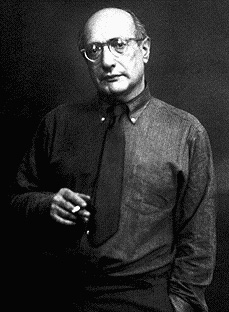
The term "animal spirits," popularized by John Maynard Keynes in his 1936 book "The General Theory of Employment, Interest and Money," is related to consumer or business confidence, but it means more than that. It refers also to the sense of trust we have in each other, our sense of fairness in economic dealings( INCLUDING HOW WE SEE THE GOVERNMENT ), and our sense of the extent of corruption and bad faith( RAMPANT ). When animal spirits are on ebb, consumers do not want to spend and businesses do not want to make capital expenditures or hire people.( THE FEAR AND AVERSION TO RISK )

Fiscal policy adjustments are what almost all the pundits and the economic policy advisers have in mind when they say now is the time to pursue Keynesian policies. Especially now, when conventional monetary policy is ineffective( I DON'T AGREE. WE COULD PRINT MONEY. ), since short-term interest rates on safe assets are close to zero( ZIRP ), Keynesian theory would argue that the government should have a fiscal target. If spending would otherwise be less than full employment GDP, the government should put more money into people's pockets.( THAT'S THE PLAN )

But lost in the economics textbooks, and all but lost in the thousands of pages of the technical economics literature, is this other message of Keynes regarding why the economy fluctuates as much as it does. Animal spirits offer an explanation for why we get into recessions in the first place -- for why the economy fluctuates as it does. It also gives some hints regarding what we need to do now to get out of the current crisis.

A critical aspect of animal spirits is trust, an emotional state that dismisses doubts about others. In talking about animal spirits, Keynes sought to convey the message that swings in confidence are not always logical( RATIONAL ). The business cycle is in good part driven by animal spirits( YES ). There are good times when people have substantial trust and associated feelings that contribute to an environment of confidence. They make decisions spontaneously. They believe instinctively that they will be successful, and they suspend their suspicions. As long as large groups of people remain trusting, people's somewhat rash, impulsive decision-making is not discovered. ( TRUE )

Unfortunately, we have just passed through a period in which confidence was blind. It was not based on rational evidence( PRUDENCE ). The trust( I CALL IT WISHFUL THINKING ) in our mortgage and housing markets that drove real-estate prices to unsustainable heights is one of the most dramatic examples of unbridled animal spirits we have ever seen.

Furthermore, while animal spirits have been high over a very long period of time, a whole new system for the granting of credit had been generated. Some 30 or 40 years ago there was much less intermediation in financial markets. But then along came financial innovation and a new financial system, not just in mortgages and housing but throughout the credit system, with complicated strategies of securitization and use of derivatives. The more complex the transaction the more trust is needed to sustain the transaction. ( THE MORE PRUDENCE )

Then too, over the past several decades a vast "shadow" banking sector developed that engaged in the purchase and sale of such securities. To a great extent these traders borrowed short term at low interest rates against collateral of asset-backed securities, of which residential mortgage-backed securities would be just one example. What enabled them to do that? It was the animal spirits( WISHFUL THINKING BASED UPON GOVERNMENT GUARANTEES ). Those who loaned short to the shadow banking sector were confident. They thought they would be repaid. (They also thought they could insure against loss by the purchase of derivatives). They were trusting. But as soon as these lenders lost their confidence they were no longer trusting. It was like a classic bank run( YES. A CALLING RUN. ), but this time not on the formal banking sector but on those who borrowed short, and loaned long -- on the shadow banking sector. Lenders to the shadow banking sector wanted to be the first not to renew their loans.( TRUE )

The trust in the innovative lending practices was excessive; now that trust is replaced by deep mistrust. The wreckage of formerly towering financial institutions is all around us. Evidence of our overconfidence repeatedly appears in media stories, and thus we are constantly reminded that we were foolish to have been so trusting( IMPRUDENT ).

The danger at this point is that if the actions we take are not aggressive enough to have a substantial, visible impact on the economy, then confidence will continue to plummet( TRUE ). The Obama administration estimated its initial $775 billion stimulus package would shave about 1.8% off the unemployment rate from what it would otherwise be. Even so, by the time any package takes full effect the unemployment rate may be substantially higher than it is today.

So what must we do to revive our animal spirits and economic growth? We must be certain that programs to solve the current financial and economic crisis are large enough, and targeted broadly enough, to impact public confidence. Not only do we need a fiscal stimulus significantly greater than the proposal that is currently on the table, government action is also needed to take the place of the credit markets that seemingly worked so well when animal spirits were high. The Treasury and the Federal Reserve not only need a fiscal target, they also need a credit target. This should not be a dollar number( GOOD ), but rather a target for how the credit markets should behave. The goal should be that those who would normally receive credit in times of full employment can once again find it easy to do so, at rates with realistic risk premiums. ( OK )

There are three ways to restore these credit markets. The Treasury and the Federal Reserve have been inventive in applying all three methods. The first is the extension of rediscounting. The Fed has invented many different special loan facilities. They have even invented ingenious ways to combine Treasury money to make very large-scale loans while still within the legal requirement that the Fed can only lend against safe collateral when using TARP funds for the Term Asset-Backed Securities Loan Facility, which will support consumer, student and small-business loans. But so far the total amount of such rediscounting has been small relative to the size of the credit markets. They need to be much larger.( YIKES )

Second, so far more than $250 billion of government money has been used to recapitalize banks. But just making the banks solvent is not enough. The banks, whose managers are suffering from the same flagging animal spirits( I'VE CALLED THEM SHELL-SHOCKED ) as the rest of the economy, will not expand their credit much just because they are more solvent. The banks will only expand if they see profitable opportunities to grant loans and if their fear of failure is diminished. It will take much more than keeping the banks solvent to make them take on the disappeared credit flows. ( WE DON'T HAVE TIME )

And, finally, especially in considerably expanding the powers to support the lending of Fannie Mae and Freddie Mac, government-sponsored enterprises have replaced a significant portion of the mortgage markets. But the government should do much more here as well. For example, failed banks might be kept alive longer as bridge banks under government supervision with the purpose of making credit freely available.( A HYBRID. BAD IDEA. )

The interventions so far have been in the right direction. Federal Reserve Chairman Ben Bernanke has been especially inventive and aggressive. But the theory of animal spirits and the loss of confidence tell us that a great deal more still needs to be done. Now is not a time for the timid. To meet our needed fiscal-policy target, the Obama administration's fiscal stimulus should be much greater. And to meet our credit target, the expansion of special loan facilities, recapitalization of banks, and use of government institutions to grant credit where it has dried up must be on a scale great enough to overwhelm further doubts about the economy.( TOO MUCH )

In due course our animal spirits will once again turn positive, but we would rather that happen this year or the next rather than five or 10 years from now. There is only one way to speed this process: greatly expand governmental support of credit markets and pass a much larger fiscal stimulus plan than is now proposed.( I DON'T SEE IT THIS WAY. ALTHOUGH I AGREE ON THE APPROACH, I DISAGREE ON THE PARTICULARS. WE CANNOT AFFORD A HUGE STIMULUS OF GOVERNMENT SPENDING. WE NEED TO NATIONALIZE THE BANKS, AND HAVE A SMALL STIMULUS THAT WILL DO SOME GOOD, BUT NOT A LOT. WE COULD ALSO USE MONETARY POLICY. STILL, IT'S PLEASANT TO READ AN ECONOMIST THAT I FEEL SIMPATICO WITH. )

Mr. Shiller is professor of economics at Yale University and chief economist at MacroMarkets LLC. His new book, with George Akerlof, "Animal Spirits: How Human Psychology Drives the Economy and Why It Matters for Global Capitalism," will be published by Princeton next month."

Sunday, January 11, 2009

our fear circuitry kicks in and panic ensues, a flight-to-safety leading to a market crash. This is where we are today.

From Freakonomics:

"
This Is Your Brain on Prosperity: Andrew Lo on Fear, Greed, and Crisis Management
INSERT DESCRIPTIONAndrew Lo


Andrew W. Lo
is the Harris & Harris Group Professor at M.I.T. and director of its Laboratory for Financial Engineering. (Here are some of his papers.)

To my mind, he’s one of the most fluent guides to the state of modern finance in that he combines the rigors of a quant with a behavioralist’s appreciation for human intricacy( HUMAN AGENCY EXPLANATION ). He has agreed to write a guest post here (hopefully not his last — please encourage him!), an insightful look at how “extended periods of prosperity act as an anesthetic in the human brain,” lulling everyone involved into “a drug-induced stupor that causes us to take risks that we know we should avoid( WISHFUL THINKING ).”


Fear, Greed, and Crisis Management: A Neuroscientific Perspective
By Andrew W. Lo
A Guest Post

The alleged fraud perpetrated by Bernard Madoff is a timely and powerful microcosm of the current economic crisis, and it underscores the origin of all financial bubbles and busts: fear and greed( TRUE ).

Using techniques such as magnetic resonance imaging, neuroscientists have documented the fact that monetary gain stimulates the same reward circuitry as cocaine — in both cases, dopamine is released into the nucleus accumbens. Similarly, the threat of financial loss activates the same fight-or-flight circuitry as physical attacks, releasing adrenaline and cortisol into the bloodstream, which results in elevated heart rate, blood pressure, and alertness.( OK )

These reactions are hardwired into human physiology, and while some of us are able to overcome our biology through education, experience, or genetic good luck, the vast majority of the human population is driven( INFLUENCED ) by these “animal spirits” that John Maynard Keynes identified over 70 years ago.

From this neuroscientific perspective, it is not surprising that there have been 17 banking-related national crises around the globe since 1974, the majority of which were preceded by periods of rising real-estate and stock prices, large capital inflows, and financial liberalization. Extended periods of prosperity act as an anesthetic in the human brain, lulling investors, business leaders, and policymakers into a state of complacency, a drug-induced stupor that causes us to take risks that we know we should avoid( I AGREE THAT WISHFUL THINKING IS VERY IMPORTANT. HOWEVER, THOSE RISKS TAKEN INCLUDE CRIME, AND THE COMPLACENCY INCLUDES GOVERNMENT GUARANTEES AND EFFECTIVENESS. ).

In the case of Madoff, seasoned investors were apparently sucked into the alleged fraud despite their better judgment because they found his returns too tempting to pass up. In the case of subprime mortgages, homeowners who knew they could not afford certain homes proceeded nonetheless, because the prospects of living large and benefiting from home-price appreciation were too tempting to pass up. And investors in mortgage-backed securities, who knew that the AAA ratings were too optimistic given the riskiness of the underlying collateral, purchased these securities anyway because they found the promised yields and past returns too tempting to pass up.( SOME OF THIS IS CRIMINAL OR NEGLIGENT BEHAVIOR. )

If we add to these temptations a period of financial gain that anesthetizes the general population — including C.E.O.’s, chief risk officers, investors, and regulators — it is easy to see how tulip bulbs, internet stocks, gold, real estate, and fraudulent hedge funds could develop into bubbles. Such gains are unsustainable, and once the losses start mounting, our fear circuitry kicks in and panic ensues( I AGREE ), a flight-to-safety leading to a market crash. This is where we are today.( I AGREE COMPLETELY )

Like hurricanes, financial crises are a force of nature that cannot be legislated away, but we can greatly reduce the damage they do with proper preparation.( I DISAGREE. GOVERNMENT GUARANTEES AND BAGEHOT'S PRINCIPLES CAN RID US OF THIS PESTILENCE. )

Because the most potent form of fear is fear of the unknown, the most effective way to combat the current crisis is with transparency and education. In the short run, one way to achieve transparency is for our president-elect to convene a “crisis summit” once in office, in which all the major stakeholders involved in this crisis, and their most knowledgeable subordinates, are invited to an undisclosed location for an intensive week-long conference( NO ).

During this meeting, detailed information about exposures to “toxic assets,” concentrations of risky counterparty relationships, and other systemic weaknesses will be provided on a confidential basis to regulators and policymakers, and various courses of action can be proposed and debated in real time( NO. COLLUSION CENTRAL. ). Afterward, a redacted( YES. OF MEANING. ) summary of this meeting should be provided to the public by the president, along with a specific plan for addressing the major issues identified during the conference. This process would go a long way toward calming the public’s fears and restoring the trust and confidence that are essential to normal economic activity.( NO. GOVERNMENT GUARANTEES WILL. JAWBONING IS OF LIMITED, ALTHOUGH SOME, USE. )

In the long run, more transparency into the “shadow banking” system; more education for investors, policymakers, and business leaders; and more behaviorally oriented regulation( FINALLY. YES. ) will allow us to weather any type of financial crisis( I AGREE ). Regulation enables us to restrain our behavior during periods when we know we will misbehave; it is most useful during periods of collective fear or greed and should be designed accordingly( YES ). Corporate governance should also be revisited from this perspective; if we truly value naysayers during periods of corporate excess, then we should institute management changes to protect and reward their independence.( HOW ABOUT THEIR EFFECTIVENESS.)

If “crisis is a terrible thing to waste,” as some have argued, then we have a short window of opportunity — before economic recovery begins to weaken our resolve — to reform our regulatory infrastructure for the better. The fact that time heals all wounds may be good for our mental health, but it may not help maintain our economic wealth."

I disagree. Poor regulation and legislation result in a crisis. However hard and counterintuitive it is, we must address these issues in calmer times. This is no harder for a human to do than value investing.

Monday, January 5, 2009

"The flight from risk averse assets into riskier and less liquid paper manifested it self in the Treasury market."

From Across The Curve:

"Closing Comments January 5 2009
January 5th, 2009 5:41 pm | by John Jansen |

Prices of Treasury coupon securities registered very bifurcated results as the first fully staffed trading session of the new year produced a rout in the long end. Investors returned from the holidays with the animal spirits racing and poured money from risk free assets into riskier fixed income assets( THIS IS WHAT I'D EXPECT. ).The yield on the 2 year note declined 2 basis points to 0.80 percent. The yield on the 3 year declined a basis point to 1.07 percent. The yield on the 5 year note glided ever so slightly higher by 4 basis points at 1.69 percent. The yield on the 10 year note jumped 11 basis points and the yield on the Long Bond catapulted 24 basis points and sliced right through the 3.00 percent level to finish at 3.03 percent.

The 2 year/10 year spread widened 13 basis points to 168 basis points.

The 2 year/5 year /30 year spread closed the day at 45 basis points after opening at 27 basis points.

The flight from risk averse assets into riskier and less liquid paper manifested it self in the Treasury market( GOOD NEWS. A POSSIBLE DIMINUTION OF FEAR AND AVERSION TO RISK. ). I have chronicled here over the last couple of months the story of several off the run bonds which had become extremely cheap on the curve or had recounted instances of off the run issues which had had produced strange relationships.

As an example the 8 1/8 August 2019 bond has traded as much as 70 basis points cheap to the 10 year note. The 10 year note is a November 2018 maturity and there is no reason why one should pick up 70 basis points for a three month extension. That spread narrowed 6 basis points today and has narrowed over the last several days to 57 basis points.

Then there is the story of the August 2023 bond and the November 2024 bond. The yield curve is positively sloped in which case rolling back on the curve should cause one to give up Not so in the relationship between these bonds. That spread had been such that you could sell the 2024 and roll backwards to 2023 and pick 36 basis points. That spread is 28 basis points today.

If the Fed is serious about keeping the funds rate at zero (and they are) then these and numerous other anomalies along the Treasury curve will correct as yield hogs scour the curve for incremental value.

Money managers continue to buy MBS and paper is closing about ½ point tighter to Treasuries."

Thursday, December 25, 2008

"Things may be bad, but I don’t think we are going back there. "

John Plender with a good post in the FT:

"
Insight: Opportunities for cheer in this time of adversity

By John Plender

Published: December 23 2008 16:06 | Last updated: December 23 2008 16:06

In a spirit of seasonal goodwill, this column will attempt to cheer shell-shocked investors with a little optimism.

Quixotic, I grant you, after a year in which the lights went out all across the global financial system. But worth a try, even if the caveats have to be set out first.

There is no escape from the fact that the global economy in 2009 will be truly awful. Worse, with surplus( SAVER ) countries such as Japan, Germany and China showing no sign of contributing to a solution to global imbalances( THEY WANT TO KEEP THE CURRENT SYSTEM, AS MUCH AS POSSIBLE ), subtrend growth is on the cards for some years after the recession comes to an end( NO WAY OF KNOWING THAT ).

The return of the state as an important actor in the economies of the developed countries takes us into a far from brave new world in terms of animal spirits( WE'LL GET THEM BACK ).

Capitalism will be( SLIGHTLY ) more heavily regulated( TRUE ) and less entrepreneurial( FALSE ). As for the financial system, a further round of bank recapitalisations will be needed( MAYBE ) and the problem of pricing toxic paper remains unresolved( IT WILL BE SOLVED SOON ).

Note, too, that when the financial system finally does recover and the economy is on the mend, the timing of any return to fiscal and monetary rectitude, after the huge efforts to stave off deflation, poses a horrific policy challenge( FAIR ENOUGH ).

Yet it is clear that the US will leave no policy stone unturned in the attempt to put the economic show back on the road( TRUE ), so there should be no Japanese-style lost decade in North America.

That is a very positive message for the global economy. And in the world of investment, opportunities abound while pessimism rules( I AGREE ).

The most interesting now lie in the corporate bond market( I AGREE ). As Mark Kiesel of the bond fund manager Pimco points out, high quality credit spreads are trading at their widest levels for 75 years, while investors this month have been able to put their money into a diversified basket of investment grade corporate bonds yielding 8 per cent compared with an earnings yield on the S&P 500 of 6 per cent or less.

All across the developed world, corporate bond yields appear to be discounting defaults on a scale that defies common sense( I AGREE ).

Equities likewise look cheap in big markets in terms of the Q ratio, which measures share prices relative to the replacement cost of net assets, and price earnings multiples( TRUE ). Yet the market will probably have to cope with some spectacular bankruptcies in 2009 and in a more muted capitalist environment the earnings prospect in the developed world looks unexciting.

So while the market will find a floor, any bounce may be tame( WE'LL SEE ). The way to make big money in equities will be to identify those companies that will defy the market’s expectation that they will fail( THAT'S TRUE ).

In terms of countries, the UK is now the developed world’s bargain basement after sterling’s slide. International investors will see value in UK equities. Also in property (where, as the chairman of a property company, I have to declare an interest).( GOOD LUCK BRITS )

The first half of 2009 will be bad in commercial property with forced sales pushing up yields against a background of weakening rents. But the market should then stabilise because it offers real value( I AGREE ).

Yields in the UK came down proportionately much less than in the US in the boom, and the level of speculative development has been much less than in previous cycles. With well-let properties available on yields as high as 8 or 9 per cent against 10-year gilts at a little more than 3 per cent, this will be a very tempting prospect for international investors.

The tank traps next year could be in the government bond markets. With no borrowing taking place in the private sector, governments are being crowded in. Hence low yields on fixed interest debt. When credit markets return to health, this will be very dangerous territory( POSSIBLY A BUBBLE ).

If you still feel gloomy, remember that it could be worse. In December 1974 the dividend yield on the FT All-Share index reached 12.7 per cent. Things may be bad, but I don’t think we are going back there."

Just think if it were really like the 1930s.